

Beyond taste: why sensory testing of non-food products matters
When people think of sensory research, food and beverages often come to mind first. Taste, aroma, texture, all obvious candidates for sensory evaluation. Yet every day, consumers interact with countless non-food products that deliver equally powerful sensory experiences. From the feel of a cosmetic cream to the grip of a razor, from the sound of a detergent pouring to the ergonomics of a household device. Sensory perception plays a decisive role. Despite this, sensory testing of non-food products is still too often overlooked. And that’s a missed opportunity.


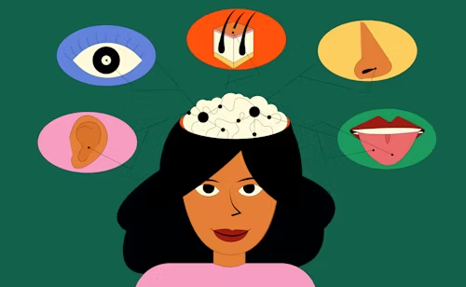
Every product is a sensory experience
Non-food products are judged just as instinctively as food. Consumers may not consciously articulate it, but they feel when something is sticky, harsh, greasy, noisy, awkward, or uncomfortable. These perceptions directly influence satisfaction, trust, and repeat purchase.
Sensory testing allows brands to:
- Understand how products feel, sound, look and behave in use
- Identify subtle differences that drive preference or rejection
- Optimize performance beyond functional claims
- Reduce risk when reformulating or innovating
In competitive markets, these details often make the difference between a product that is merely acceptable and one that truly stands out.
Why expert panels matter — especially for non-food
While consumers are excellent judges of liking, they often struggle to describe sensations consistently and objectively, particularly for complex non-food attributes. This is where trained expert sensory panels add real value.
Expert panelists are trained to:
- Detect subtle differences
- Use precies, shared sensory language
- Evaluate products independently of brands, claims or expectations
- Deliver reproducible, objective data
For non-food categories such as personal care, home care, packaging, or durable goods, this descriptive precision is essential. Expert panels can articulate what is different and how it is different, insights that are difficult to obtain from consumer testing alone.
Ergonomics: feeling matters
One aspect that deserves special attention in non-food sensory research is ergonomics. How a product fits in the hand, how intuitive it is to use, how much effort it requires, these factors are critical to user experience and can be systematically evaluated.
Sensory and ergonomic testing can assess:
- Grip comfort and control
- Weight perception and balance
- Ease of handling and usability
- Fatigue or discomfort during repeated use
By measuring these elements early, brands can design products that not only function well but also feel right to use.
From overlooked to indispensable
Sensory testing of non-food products turns subjective impressions into structured insight. It helps teams understand perception beyond performance, bridges the gap between engineering and user experience, and provides a common language to guide development decisions.
Just as with food, strong sensory understanding leads to better products, clearer differentiation, and greater confidence at launch.
Ready to unlock the full sensory experience of your products?
Sensory excellence is not limited to taste. At Haystack Consulting, we support organizations in building and applying sensory methods for non-food products, using expert panels to generate reliable, actionable insights, including ergonomic evaluation where it matters most. Curious how sensory testing could elevate your non-food portfolio? Get in touch and let’s explore how sensory science can bring your products to life.

Reach out to our expert on the matter

